
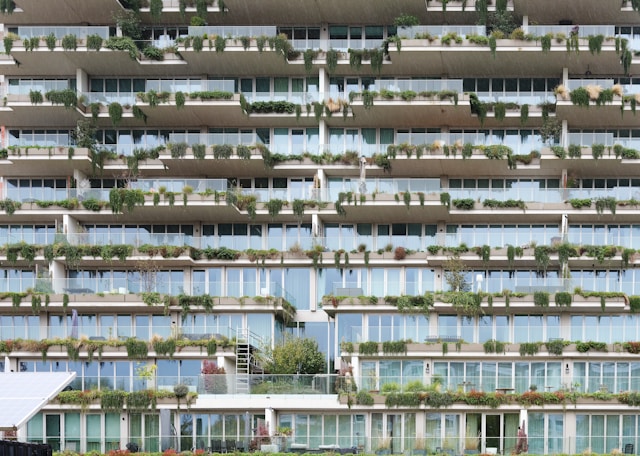
Sustainable development has become an urgent need amidst increasing environmental pressures. The building sector plays a significant role in energy and natural resource consumption. Therefore, green building solution are emerging as a strategic approach to creating more responsible and sustainable buildings.
This concept focuses not only on energy efficiency but also prioritizes occupant health and environmental sustainability. Therefore, with proper planning, buildings can provide long-term benefits to the environment and society.
Basic Concepts of Green Building Solution in Modern Development
Green building is a development approach that emphasizes the efficient use of energy, water, and materials. This principle is applied from the planning stage through building operations. The goal is to minimize negative impacts on the environment throughout the building’s life cycle.
This approach encourages passive design, such as natural lighting and also cross-ventilation. This design helps reduce dependence on artificial energy. Furthermore, the use of renewable energy is an important part of supporting sustainability.
The implementation of green buildings also emphasizes occupant comfort and health. Indoor air quality is maintained through good circulation, resulting in a healthier and more productive indoor environment.
Principles of Sustainability and Resource Efficiency
Energy efficiency is a key principle in green building solution. Buildings are designed to reduce energy consumption through energy-saving technologies. Solar panels and efficient lighting systems are examples of practical applications.
Water conservation is also a key focus. The use of water-saving devices and rainwater harvesting helps reduce clean water use. This step supports the long-term sustainability of water resources.
Sustainable materials play a significant role. Low-emission and recyclable materials help reduce a building’s carbon footprint. Selecting the right materials also improves indoor environmental quality.
Environmental, Economic, and Social Benefits
Environmentally, green building solution contribute to reducing carbon emissions. The use of renewable energy and energy efficiency helps mitigate the impacts of climate change. Construction waste can also be reduced through better management.
Economic benefits are also felt in the long term. Energy- and water-efficient buildings can reduce operational costs. Property values also tend to increase due to better building performance.
Socially, sustainable buildings create healthier spaces. Natural lighting and good air quality improve occupant comfort, thereby improving productivity and quality of life.
According to the book Greenesia by Nirwono Joga (2014), the building sector in Indonesia contributes approximately 70 percent of urban carbon emissions. This data demonstrates the importance of broadly implementing sustainable building concepts.
Green Building Implementation for a Sustainable Future
Green building implementation is carried out through green building standards and also certification. This certification ensures buildings meet sustainability criteria. This process helps encourage more responsible building practices.
Building designs are also directed towards integration with nature. Green open spaces and biophilic concepts are essential elements. This also maintains a balanced environment around the building.
For the future, implementing green building solution will be a strategic step in modern development. This approach aligns human needs with environmental sustainability. With a shared commitment, sustainable development can be realized.
